Carced News
Xpeng Wants To Become The Tech Supplier Everyone Else Builds On — And Robots Might Get There First
Xpeng still hasn't turned a profit selling cars. Its answer isn't to sell more cars — it's to sell the technology underneath them to everyone else, cars and robots alike.
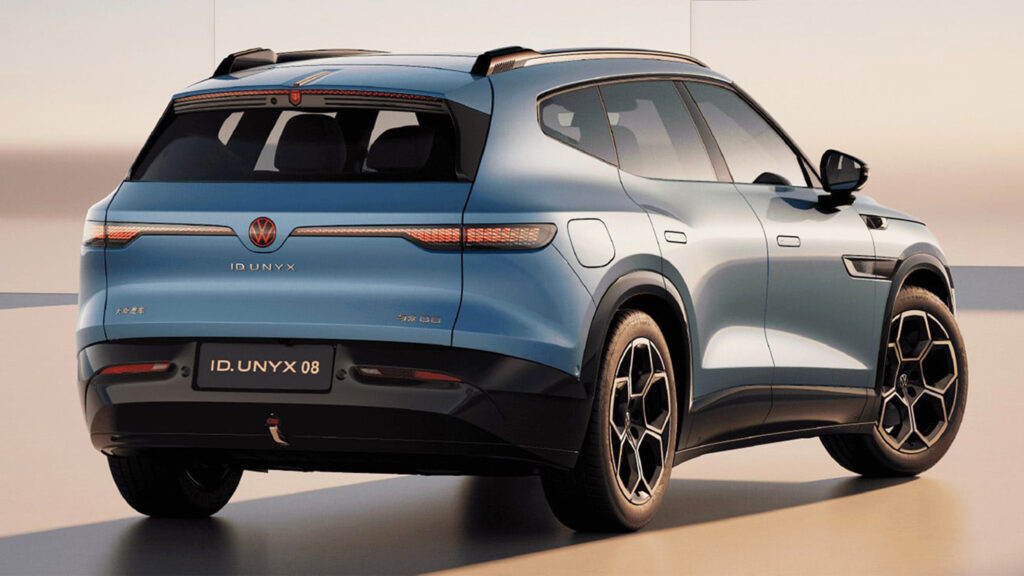
Xpeng’s Path To Profitability Might Not Run Through Selling More Cars
Chinese EV startups have generally chased profitability the same way: sell more vehicles, cut costs, scale up. Xpeng’s emerging strategy looks different — rather than doubling down purely on vehicle sales, it wants to become a technology supplier to other automakers, robotics companies, and robotaxi operators, turning its engineering into a standalone revenue stream independent of how many Xpeng-badged cars roll off the line.
The VW Partnership Is The Proof Of Concept
This isn’t a new idea for Xpeng — it’s already been collaborating with Volkswagen in China, and the results are tangible. The VW ID. Unyx 08, launched in March, runs an 800-volt electrical architecture co-developed with Xpeng and uses Xpeng’s Level 2 driver-assistance system instead of VW’s own. Getting that vehicle from concept to production in roughly two years is a genuinely fast development cycle, and it’s the kind of result that makes Xpeng’s pitch to other automakers considerably more credible than if this were still theoretical.
The Financial Logic Is Straightforward
Xpeng’s vehicle sales revenue held roughly steady through Q2, while revenue from services and other business ventures nearly doubled. That’s a clear signal about where the company’s actual growth is happening right now, and it explains why licensing its electrical and electronic architecture, cockpit systems, ADAS software, and Turing AI chips to outside partners looks like the more scalable path forward compared to continuing to fight for market share purely on vehicle sales.
Robots Might Actually Be The Bigger Story Here
The detail that genuinely surprised me: Xpeng CEO He Xiaopeng believes the company’s humanoid robots — with small-scale production of the IRON robot starting this month and mass production before year-end — could generate higher margins than its cars. If that’s accurate, Xpeng’s future identity might end up looking less like “Chinese Tesla” and more like a diversified robotics and mobility-technology supplier, with vehicles as just one application of its underlying tech stack rather than the core business.
Robotaxis Round Out A Genuinely Coherent Strategy
Xpeng licensing its tech to robotaxi and robotics firms, on top of automaker partnerships and humanoid robots, paints a picture of a company betting that the actual differentiator in the next decade of mobility is the underlying AI and electrical architecture, not the vehicle body wrapped around it. That’s a meaningfully different long-term bet than most legacy automakers are making, and it’s one that plays directly to what Xpeng has actually proven it can build well.
My Take
There’s real risk in this strategy — becoming a tech supplier to competitors can blur your own brand identity, and Xpeng still needs its own vehicle business to stay credible as a demonstration platform for the tech it’s selling. But given that profitability has been consistently elusive purely through vehicle sales, diversifying into licensing, robotics, and robotaxi tech is a pragmatic hedge. If the VW partnership’s speed and quality are any indication, other automakers shopping for a faster EV development path have real reason to take this pitch seriously.
Would you want your next car’s underlying tech stack to come from a specialist supplier like Xpeng rather than being fully in-house at the automaker? I think this kind of unbundling is going to become a lot more common across the industry.
More Carced news

You Can Buy HWA's $760K New 190E Evo II, Or The Real Thing For Less — And That's A Genuinely Hard Choice
A restomod exists to solve the problem of an original being too rare, too fragile, or too expensive to actually use. This time, the original might be the cheaper option.
Read article
Genesis Just Patented The G90 Coupe And Convertible, And That's More Than Just Paperwork
A design patent isn't a production announcement, but Genesis wouldn't bother protecting a design it had no intention of ever building — and having seen the Convertible in person, I understand why they'd want to.
Read article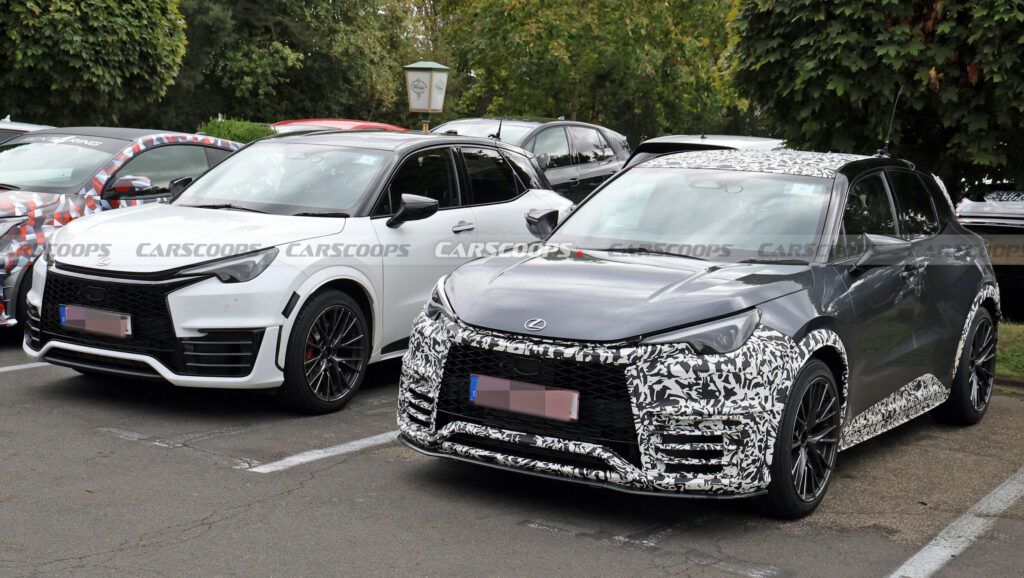
Lexus Is Building An Even Hotter LBX, And Carbon Fiber Is Doing All The Talking
The existing LBX Morizo RR already had a manual gearbox and GR-derived power. This new version's whole mission is shedding weight, and it's doing it with carbon fiber almost everywhere.
Read article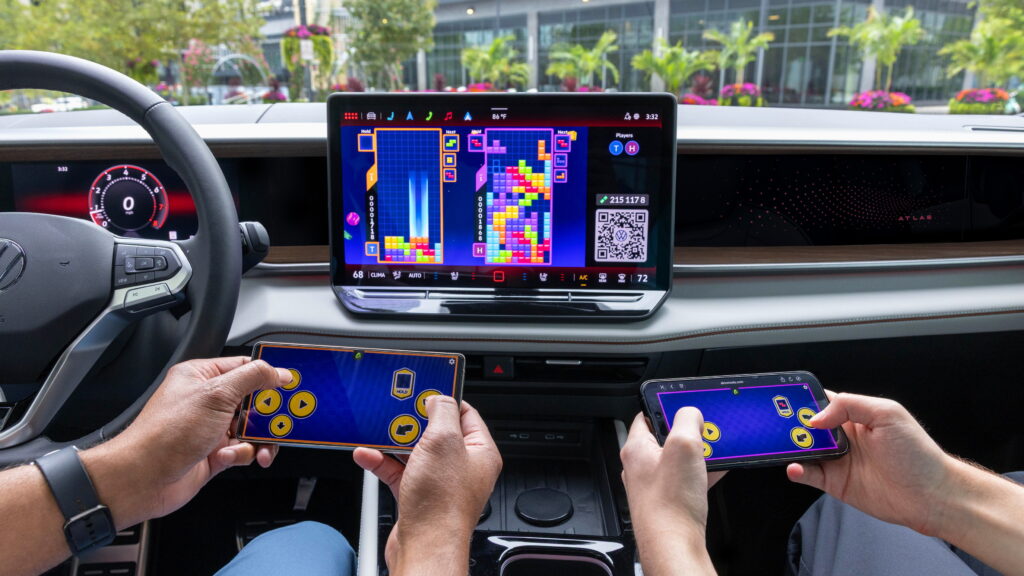
VW Wants $149 A Year To Turn Your Parked Car Into A Game Console, And I'm Weirdly Okay With It
Yet another automotive subscription fee sounds exhausting on principle. But this one is actually solving a real, specific dead-time problem — and it's bundled with features people already pay for anyway.
Read article