Carced News
Volvo's New CEO Was Planned Two Years In Advance, And That's Exactly Why He Might Succeed
Volvo told the world back in 2025 that its current CEO was a two-year bridge, not a long-term fix. Klaus Zellmer arriving now isn't a surprise — it's a plan finally executing on schedule.
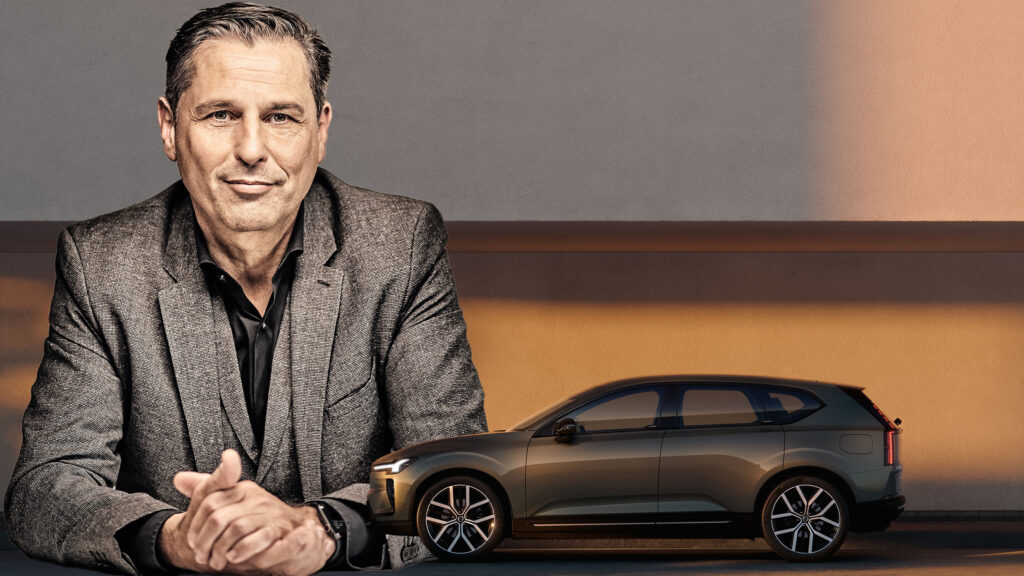
This Succession Was Announced Before It Happened, Which Is Rarer Than It Should Be
Corporate leadership transitions are usually reactive — a CEO underperforms, gets pushed out, and a scramble ensues to find a replacement under pressure. Volvo did something genuinely more disciplined: when Håkan Samuelsson was reappointed in 2025, the company explicitly stated it was a two-year bridge role while a long-term successor was identified. Klaus Zellmer taking over now isn’t a surprise reaction to a crisis. It’s a plan arriving exactly on schedule.
Zellmer’s Background Reads Like A Custom-Built Résumé For This Job
Thirty years in the industry, most recently as CEO of VW Group’s Skoda, with earlier stints running Porsche’s North American division from 2015 to 2020. That combination — premium brand leadership (Porsche) plus high-volume, value-focused execution (Skoda) — is a genuinely well-matched skill set for a company that needs to simultaneously protect its premium positioning and dramatically scale volume through 13 new models by 2030.
The Job Description Is Enormous, And Specifically Defined
Doubling Volvo’s market share, rebalancing the drivetrain strategy toward more hybrids, deepening collaboration with parent company Geely, and making the buying process more transparent with special offers and faster-delivery model variants — that’s not a vague “turn the company around” mandate. It’s a specific, itemized list of strategic priorities that Zellmer is walking into with clear expectations already set, which should make it considerably easier to evaluate his performance against concrete goals rather than shifting targets.
The Geely Relationship Is Quietly The Most Important Line Item
“Deepening collaboration with its parent, Geely” sits almost as an afterthought in the announcement, but given Volvo’s recent moves — increasing component commonality across Geely Group vehicles toward 30% by 2030, sharing platforms and tech stacks across the broader portfolio — this is arguably the single most consequential part of Zellmer’s mandate. His ability to navigate that relationship, extracting genuine cost and technology synergies without diluting Volvo’s distinct brand identity, will likely determine whether the 13-model plan is financially sustainable at all.
Chairman Eric Li’s Framing Reveals What The Board Actually Wants
Li’s statement specifically praised Zellmer’s experience “from both the high-end premium segment and high-volume brands” as an “excellent fit.” Read between the lines and that’s the board explicitly signaling it wants Volvo to execute a genuinely difficult balancing act: scale up volume significantly while protecting the premium positioning that’s justified Volvo’s pricing and margins for years. That’s a harder needle to thread than either pure premium or pure volume strategies, which makes Zellmer’s specific dual background the whole point of this hire.
Zellmer’s Own Framing Suggests He Understands The Assignment
His statement praising Volvo’s “strong and lasting reputation for safety” and its “timeless, contemporary design language” reads like someone who’s already identified exactly which brand assets are worth protecting through the coming transformation, rather than someone planning to reinvent Volvo from scratch. That’s reassuring for anyone worried a new CEO might chase growth at the expense of what’s actually made Volvo distinctive.
My Take
Planned successions rarely get enough credit for the discipline they represent, but Volvo naming its long-term direction two years in advance and then executing on that timeline, rather than lurching into crisis management, is genuinely well-run corporate governance. Zellmer’s background gives him a legitimate shot at threading the volume-versus-premium needle this 13-model strategy demands. Whether he actually pulls it off is a multi-year question, but the process that got him into the role gives this transition more credibility than most CEO changes in the industry right now.
Do you think a leader with both premium (Porsche) and high-volume (Skoda) experience is genuinely the right combination for Volvo’s next chapter, or does that dual background risk diluting focus on either front? I lean toward thinking it’s exactly what this specific moment calls for.
More Carced news

You Can Buy HWA's $760K New 190E Evo II, Or The Real Thing For Less — And That's A Genuinely Hard Choice
A restomod exists to solve the problem of an original being too rare, too fragile, or too expensive to actually use. This time, the original might be the cheaper option.
Read article
Genesis Just Patented The G90 Coupe And Convertible, And That's More Than Just Paperwork
A design patent isn't a production announcement, but Genesis wouldn't bother protecting a design it had no intention of ever building — and having seen the Convertible in person, I understand why they'd want to.
Read article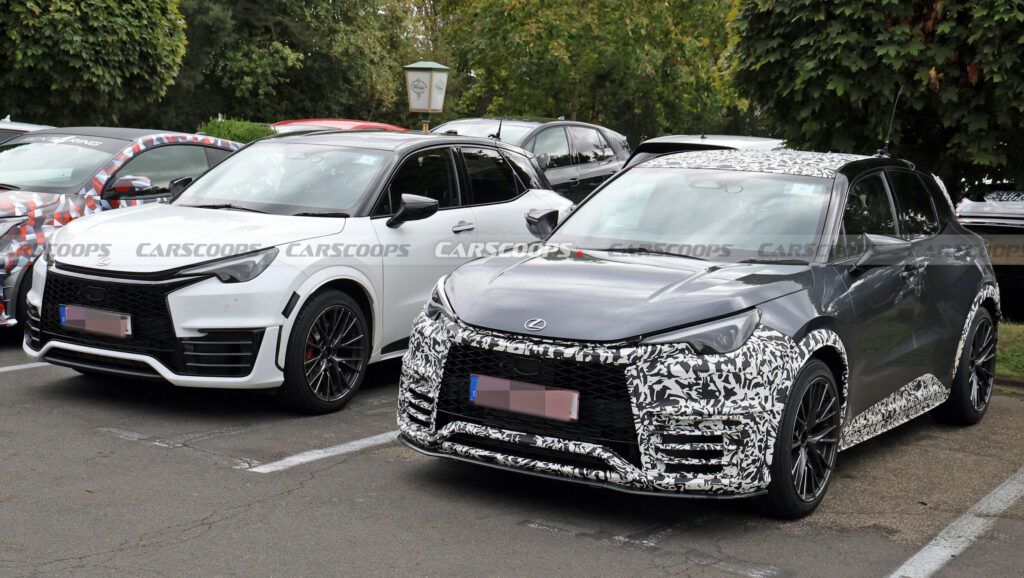
Lexus Is Building An Even Hotter LBX, And Carbon Fiber Is Doing All The Talking
The existing LBX Morizo RR already had a manual gearbox and GR-derived power. This new version's whole mission is shedding weight, and it's doing it with carbon fiber almost everywhere.
Read article
VW Wants $149 A Year To Turn Your Parked Car Into A Game Console, And I'm Weirdly Okay With It
Yet another automotive subscription fee sounds exhausting on principle. But this one is actually solving a real, specific dead-time problem — and it's bundled with features people already pay for anyway.
Read article