Carced News
Volvo's Design Boss Just Admitted Touchscreens Went Too Far, And The 2027 Concept Is The Apology
Volvo's own design chief just said, out loud, what car reviewers have been complaining about for years: touchscreens took over too much of the cabin. The 2027 concept is where that correction actually happens.

It’s Rare To Hear A Design Chief Admit The Industry Overcorrected
Automakers rarely publicly concede that a widely criticized design trend went too far — usually it’s quiet course-correction dressed up as “listening to customer feedback.” Volvo CEO Thomas Ingenlath, in previewing the brand’s 2027 concept, said it about as directly as I’ve heard from any executive: the over-emphasis on touchscreens is something “customers and journalists heavily criticize,” and Volvo needs “a better harmony” between digital and physical controls.
This Concept Is Explicitly The Template For Everything After It
Ingenlath confirmed the concept car will introduce a new design language meant to influence Volvo’s entire future lineup — not a one-off show car destined for a museum, but the actual visual direction for whatever comes next. That’s a meaningfully higher-stakes reveal than most concept cars carry, and it lines up with Volvo’s broader 13-new-models-by-2030 plan: this concept is effectively the design constitution for that entire product wave.
The Heritage Language Is More Specific Than Usual Concept-Speak
Rather than vague talk of “inspiration,” Ingenlath specifically referenced Volvo’s iron mark, the diagonal slash supporting it, and the grille surround that’s framed Volvo’s badge for decades. That’s a genuinely concrete design brief rather than empty heritage marketing — Volvo is explicitly building forward from identifiable, decades-old visual DNA rather than reinventing its identity from scratch.
“If It’s Always On The Screen, It Shouldn’t Be On The Screen” Is A Genuinely Useful Design Principle
Ingenlath’s stated rule — that any function displayed permanently on a screen probably shouldn’t be there at all — is a smart, simple heuristic that plenty of manufacturers should be applying right now. Climate controls are the obvious candidate: something used constantly, in all conditions, including ones where glancing at a touchscreen is genuinely more dangerous than reaching for a physical dial. Explicitly walking that back, rather than doubling down on the touchscreen-first trend most of the industry chased for the past decade, is a real reversal worth crediting.
Volvo Isn’t Abandoning Screens, Just Rebalancing Them
Ingenlath was careful to clarify Volvo isn’t “going away from touchscreen” entirely — just aiming to use screens “for what it’s good at.” That’s a more nuanced position than a full retreat to buttons-everywhere, and it suggests Volvo’s actually thinking through which functions genuinely benefit from touchscreen flexibility (navigation, media, deep settings menus) versus which ones need the muscle-memory reliability of a physical control (climate, volume, key safety functions).
The Teaser Itself Doesn’t Give Much Away Yet
Based on the image, the concept appears to be an SUV with a toned hood and upright grille — consistent with Volvo’s current lineup direction, though the actual proportions and details remain genuinely unclear from this early teaser alone.
My Take
What makes this preview genuinely credible rather than just PR-speak is the specificity: a named executive, a concrete design principle, and an explicit acknowledgment that a widely criticized industry trend needs correcting. If Volvo actually follows through on Ingenlath’s stated philosophy across the full 13-model rollout, this could be one of the more consumer-friendly interior design corrections the industry sees in the next few years — genuinely worth watching whether the production reality lives up to the stated intent.
Do you think other automakers will follow Volvo’s lead back toward physical controls, or is the touchscreen-first trend too entrenched at this point? I’d genuinely welcome more brands making this same admission.
More Carced news

You Can Buy HWA's $760K New 190E Evo II, Or The Real Thing For Less — And That's A Genuinely Hard Choice
A restomod exists to solve the problem of an original being too rare, too fragile, or too expensive to actually use. This time, the original might be the cheaper option.
Read article
Genesis Just Patented The G90 Coupe And Convertible, And That's More Than Just Paperwork
A design patent isn't a production announcement, but Genesis wouldn't bother protecting a design it had no intention of ever building — and having seen the Convertible in person, I understand why they'd want to.
Read article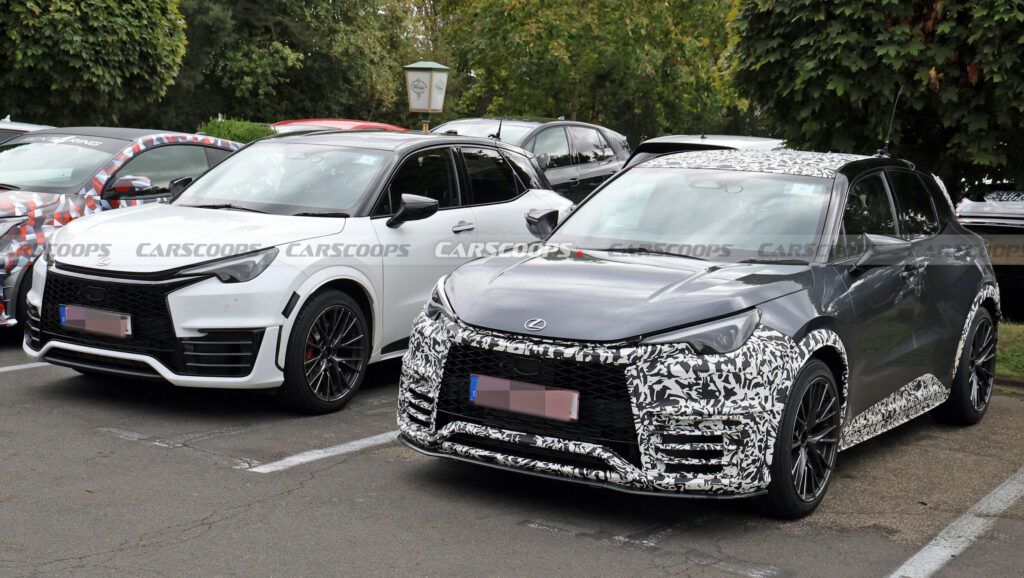
Lexus Is Building An Even Hotter LBX, And Carbon Fiber Is Doing All The Talking
The existing LBX Morizo RR already had a manual gearbox and GR-derived power. This new version's whole mission is shedding weight, and it's doing it with carbon fiber almost everywhere.
Read article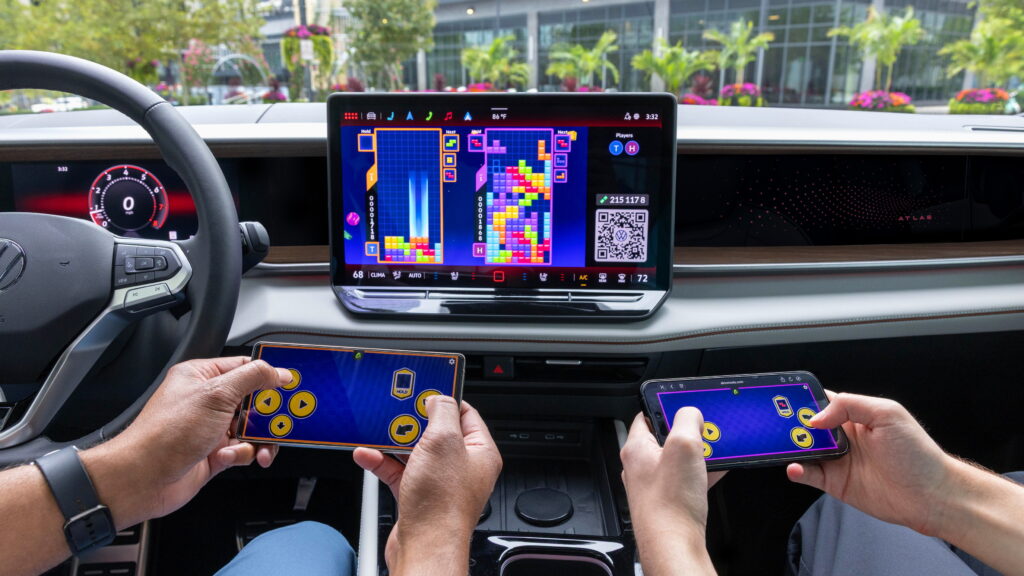
VW Wants $149 A Year To Turn Your Parked Car Into A Game Console, And I'm Weirdly Okay With It
Yet another automotive subscription fee sounds exhausting on principle. But this one is actually solving a real, specific dead-time problem — and it's bundled with features people already pay for anyway.
Read article