Carced News
Toyota's Hydrogen Dakar Truck Is A Real Racing Program, Not A Marketing Stunt
Toyota's flagship Dakar truck still runs a twin-turbo V6. This new hydrogen version isn't replacing it — it's the testbed proving whether fuel cells can survive the harshest proving ground there is.

Racing Is The Hardest Possible Proving Ground, And That’s The Point
Motorsport programs sometimes function as pure marketing exercises, and sometimes they function as genuine engineering testbeds. Toyota’s new DKR GR FC Hilux, a hydrogen fuel cell prototype set for the 2027 Dakar Rally, is clearly the latter — and putting a genuinely experimental powertrain through one of the most punishing endurance events on the planet is a much more credible validation strategy than any lab test could offer.
This Isn’t Replacing The Race-Winning V6
Crucially, the FC Hilux isn’t swapping out for Toyota’s primary Dakar contender — it’s running alongside the GR DKR Hilux EVO T1+, the twin-turbo V6 truck that’s already secured four Dakar overall victories (2019, 2022, 2023, 2025). That’s an important distinction: Toyota isn’t betting its competitive Dakar campaign on unproven hydrogen technology. It’s using the event as a real-world stress test while keeping its actual winning formula intact elsewhere in the field.
The Water-Instead-Of-CO2 Detail Is More Than A Talking Point
Fuel cell operation emitting water rather than CO2 sounds like standard hydrogen marketing language, but in a genuine desert rally context, it’s a legitimately practical detail — a stranded crew with a water byproduct has marginally better options than one dealing with exhaust emissions in the middle of nowhere. It’s a small thing, but it’s the kind of detail that only becomes relevant when you actually put the technology somewhere as remote and unforgiving as the Future Mission 1000 category’s terrain.
The Development Goals Are Refreshingly Specific
Toyota says the program is focused on “fuel cell downsizing, improved cooling and enhanced durability” — not vague sustainability messaging, but concrete engineering objectives that map directly onto what’s held hydrogen fuel cell technology back from broader automotive adoption. Racing in extreme heat, over extreme terrain, for extended stretches without support, is about as thorough a durability and cooling stress test as any engineering team could design intentionally.
The Numbers Gap Tells Its Own Story
Toyota hasn’t disclosed the FC truck’s motor output or range between refuels, while the V6 version is capped at 400 hp and 487 lb-ft by FIA regulation. That silence isn’t necessarily a bad sign — it likely means the team doesn’t yet have numbers worth publishing, which is exactly what you’d expect from a genuine testbed program rather than a finished product being paraded for headlines.
My Take
This is exactly the right way to develop genuinely unproven propulsion technology: run it in parallel with a proven competitive program, in the harshest possible conditions, and be honest that the goal is data rather than victory. Toyota already confirmed a road-going Hilux FCEV for 2028, and whatever survives 621 miles of Saudi Arabian desert across 13 stages in this prototype is going to inform that production truck’s real-world durability in ways no dyno test ever could.
Do you think motorsport is genuinely the best proving ground for unproven technology like this, or is it mostly a marketing exercise dressed up as engineering validation? I lean toward believing it’s real, given how brutal Dakar specifically is.
More Carced news

You Can Buy HWA's $760K New 190E Evo II, Or The Real Thing For Less — And That's A Genuinely Hard Choice
A restomod exists to solve the problem of an original being too rare, too fragile, or too expensive to actually use. This time, the original might be the cheaper option.
Read article
Genesis Just Patented The G90 Coupe And Convertible, And That's More Than Just Paperwork
A design patent isn't a production announcement, but Genesis wouldn't bother protecting a design it had no intention of ever building — and having seen the Convertible in person, I understand why they'd want to.
Read article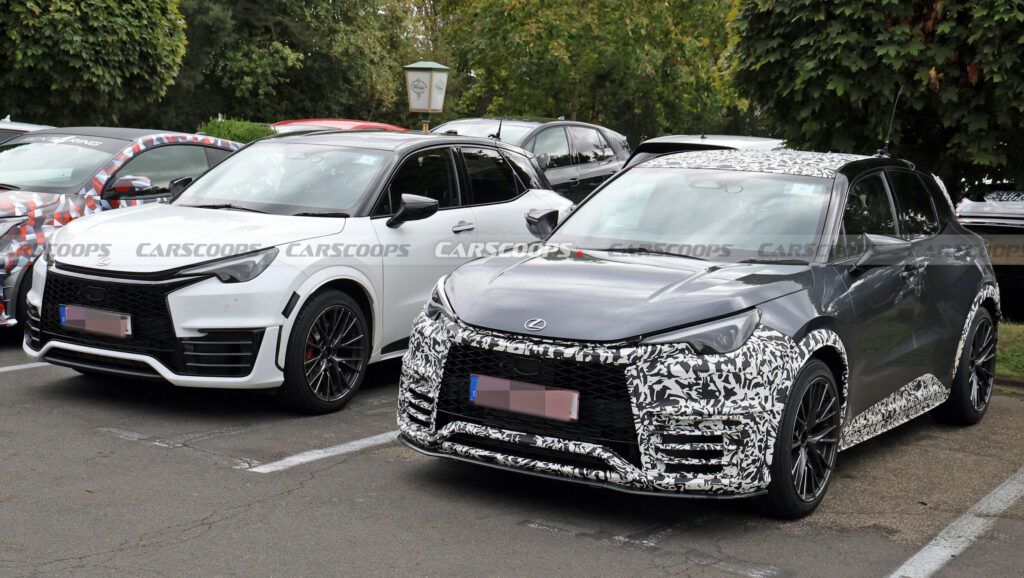
Lexus Is Building An Even Hotter LBX, And Carbon Fiber Is Doing All The Talking
The existing LBX Morizo RR already had a manual gearbox and GR-derived power. This new version's whole mission is shedding weight, and it's doing it with carbon fiber almost everywhere.
Read article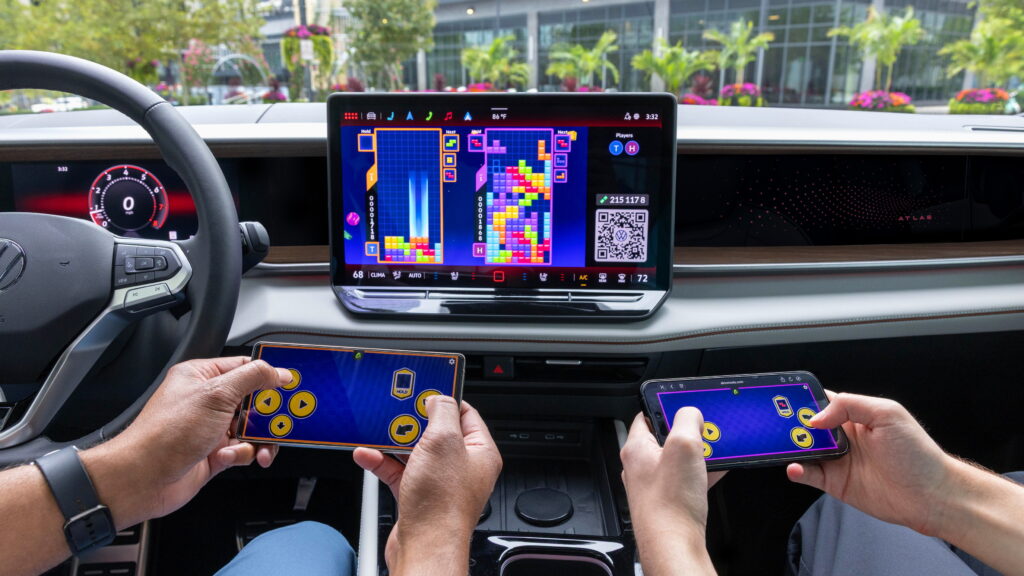
VW Wants $149 A Year To Turn Your Parked Car Into A Game Console, And I'm Weirdly Okay With It
Yet another automotive subscription fee sounds exhausting on principle. But this one is actually solving a real, specific dead-time problem — and it's bundled with features people already pay for anyway.
Read article