Carced News
Subaru Just Split Two Sibling Cars Into Opposite Powertrain Directions, And The Logic Actually Makes Sense
Two mechanically related Subarus just went in completely opposite powertrain directions. It looks contradictory until you realize Subaru is matching each nameplate to what its actual buyers want.
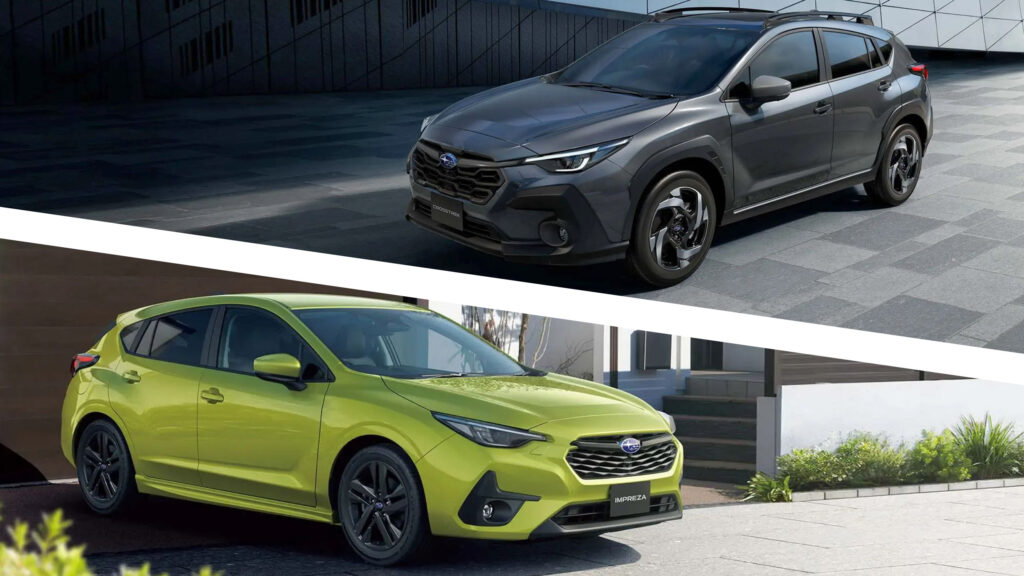
Killing One Engine Option Just Split Two Related Cars Into Completely Different Products
Discontinuing the mild-hybrid 2.0-liter e-Boxer engine sounds like a minor lineup simplification on paper. In practice, it’s forced Subaru’s Japanese Crosstrek and Impreza — mechanically related siblings that have historically shared a fairly similar powertrain philosophy — into genuinely opposite directions. That divergence is the actual story here, and it’s a smarter piece of product strategy than it first appears.
The Crosstrek Goes All-In On Hybrid
With the mild-hybrid option gone, the Crosstrek in Japan is now exclusively available with the e-Boxer S:HEV system — a proper full hybrid combining a 2.5-liter boxer engine, dual electric motors, an eCVT, and Symmetrical AWD, producing a combined 194 hp. That’s Subaru committing the crossover fully to hybrid power rather than offering it as one option among several, and it’s a reasonable bet given how strongly hybrid demand has been trending, particularly in markets facing higher fuel costs.
The Impreza Goes The Opposite Direction Entirely
Meanwhile, the Impreza hatchback returns to a purely non-electrified 2.0-liter naturally-aspirated four making 152 hp, paired exclusively with a Lineartronic CVT. No hybrid option at all, in either direction. For a mechanically related model, this is a genuinely stark contrast — the same underlying platform philosophy applied to two completely different powertrain conclusions.
The Logic Becomes Clear Once You Consider The Buyers
Crossovers like the Crosstrek tend to attract buyers who prioritize efficiency and lower running costs — exactly the audience hybrid technology serves best. Hatchbacks like the Impreza, especially with the STI Aero package still available for the sporty-leaning Smart Edition trim, attract buyers more interested in simplicity, weight, and driving character than maximum efficiency. Rather than forcing both nameplates to share an identical powertrain lineup, Subaru is matching each vehicle’s electrification strategy to what its specific buyer actually wants.
The Pricing Reflects The Positioning Difference Clearly
Impreza Smart Edition starts at ¥2,865,500 ($18,400) for FWD, climbing to ¥3,135,000 ($20,150) for AWD — genuinely affordable, no-frills pricing. The Crosstrek S:HEV starts considerably higher at ¥3,833,500 ($24,600) for the base Premium trim, up to ¥4,053,500 ($26,100) for the flagship Premium S:HEV EX. That price gap reinforces the strategic split: the Impreza stays the accessible, simple option; the Crosstrek becomes the more premium, technology-forward one.
The Details Show Real Care On Both Sides
The Crosstrek gets black roof rails, a refreshed e-Boxer emblem, a new Ignition Red color option, and genuinely useful equipment differentiation between its two remaining grades (navigation, heated seats, EyeSight X ADAS, optional Harman Kardon audio on the top trim). The Impreza retains its STI Aero package option — splitter, side skirts, bumper extensions, rear spoiler — for buyers who want a sportier look without paying for hybrid hardware they don’t want.
My Take
What initially reads as a confusing contradiction (why would two related models go in opposite powertrain directions?) turns out to be a genuinely thoughtful segmentation strategy once you consider buyer intent. Subaru isn’t diluting either nameplate by forcing a one-size-fits-all powertrain philosophy across its lineup — it’s letting the Crosstrek lean fully into efficiency-focused buyers while keeping the Impreza’s identity centered on simplicity and value. That’s smarter product planning than it looks at first glance.
Would you rather have Subaru’s approach here (each model committing fully to one powertrain philosophy) or a shared lineup where both offer hybrid and non-hybrid options? I think specialization like this genuinely serves buyers better, even if it looks confusing from the outside.
More Carced news

You Can Buy HWA's $760K New 190E Evo II, Or The Real Thing For Less — And That's A Genuinely Hard Choice
A restomod exists to solve the problem of an original being too rare, too fragile, or too expensive to actually use. This time, the original might be the cheaper option.
Read article
Genesis Just Patented The G90 Coupe And Convertible, And That's More Than Just Paperwork
A design patent isn't a production announcement, but Genesis wouldn't bother protecting a design it had no intention of ever building — and having seen the Convertible in person, I understand why they'd want to.
Read article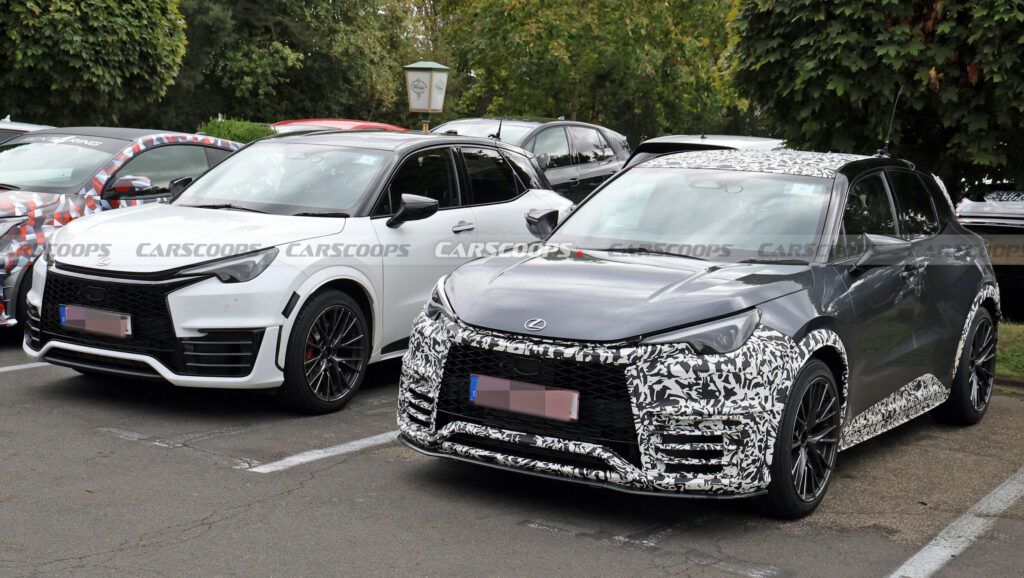
Lexus Is Building An Even Hotter LBX, And Carbon Fiber Is Doing All The Talking
The existing LBX Morizo RR already had a manual gearbox and GR-derived power. This new version's whole mission is shedding weight, and it's doing it with carbon fiber almost everywhere.
Read article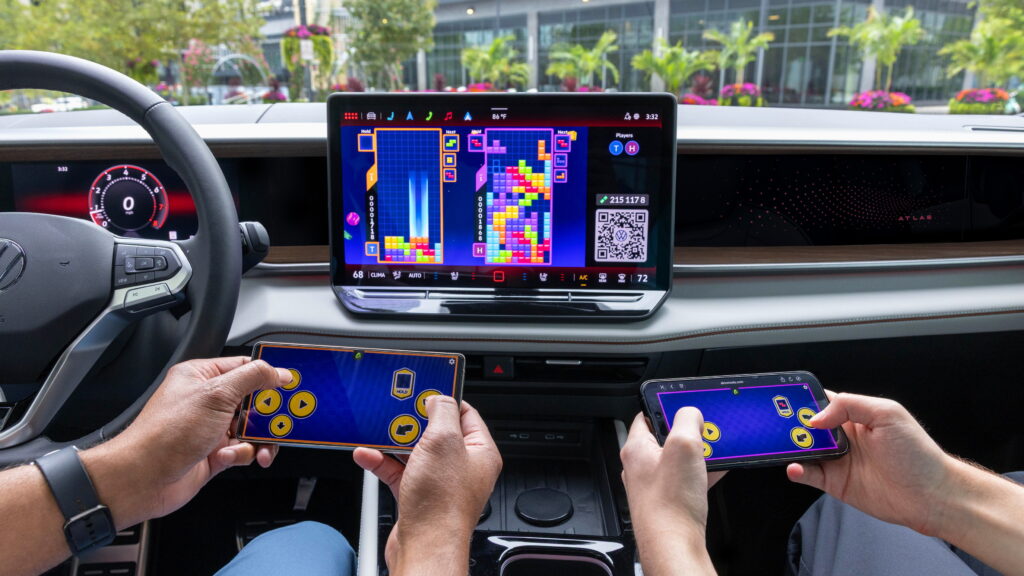
VW Wants $149 A Year To Turn Your Parked Car Into A Game Console, And I'm Weirdly Okay With It
Yet another automotive subscription fee sounds exhausting on principle. But this one is actually solving a real, specific dead-time problem — and it's bundled with features people already pay for anyway.
Read article