Carced News
Porsche Just Built A Battery Cell Entirely From Recycled Materials, And It's More Significant Than It Sounds
This isn't a small percentage of recycled content mixed into new batteries — Porsche says these test cells are made entirely from recovered materials. That's a genuinely different scale of achievement.
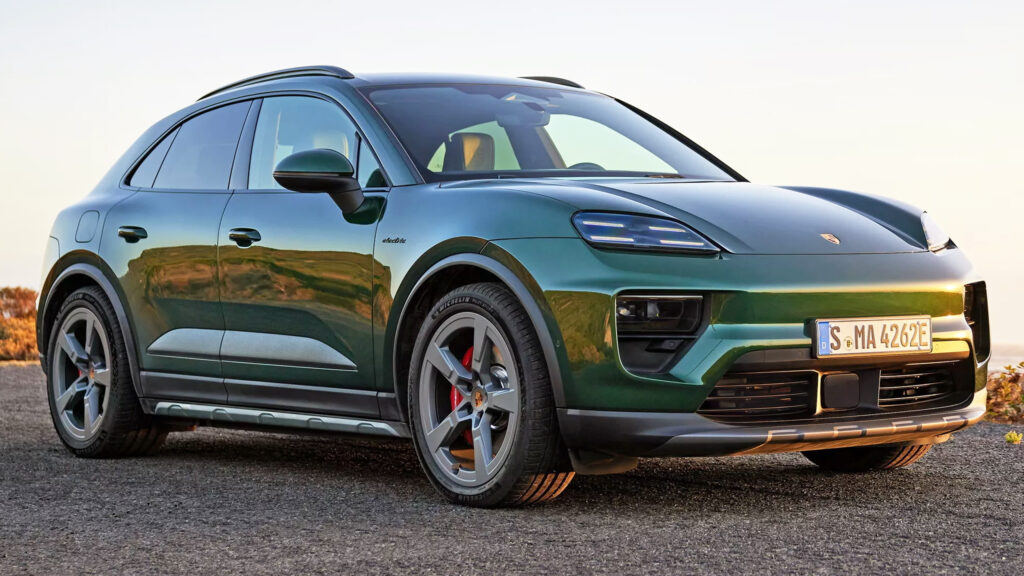
“Entirely From Recycled Materials” Is A Meaningfully Different Claim Than Most Battery Recycling News
Battery recycling announcements are common enough at this point that it’s easy to scroll past them, but Porsche’s latest milestone with German recycler cylib deserves a closer look specifically because of the scale of the claim. This isn’t “we blended some recycled content into new cells” — Porsche says these test battery cells are made entirely from recycled cathode active material recovered from its own end-of-life high-voltage batteries.
The Closed-Loop Ambition Is The Real Story Here
Porsche and cylib have been running a water-based recycling process since May, recovering raw materials from end-of-life batteries and processing them into new cells for test vehicles. That’s a genuine closed-loop circular economy in action, not just a recycling program that feeds materials into some other industry’s supply chain — the batteries Porsche eventually retires are meant to become the batteries Porsche eventually builds next.
Lithium, Nickel, Cobalt, And Manganese All Recovered Simultaneously
Recovering all four of these key battery materials through a single process, and using them together to manufacture cells made entirely from recycled active materials, is a genuinely more complex technical achievement than recovering any one material in isolation. Battery chemistry is sensitive to material purity and composition, so producing viable, road-worthy cells from a fully recycled material stream — rather than a small blended percentage — suggests real confidence in the recovery process’s material quality.
The Timeline Is Refreshingly Specific
Raw material recovered through this process will be available to Porsche and partner companies to produce new battery cells starting in 2028. That’s a concrete date rather than vague “in the coming years” language, giving the industry and consumers alike an actual benchmark to hold Porsche accountable to.
Porsche Is Notably Cautious About Production Timing, And That’s Honest
The company hasn’t committed to when recycled-material cells will actually appear in production vehicles, only acknowledging that “in the future” battery raw materials recycled in Europe could be used in Porsche’s high-voltage batteries. That’s appropriately hedged language for a technology still in the testing phase — Porsche isn’t overselling a lab milestone as an imminent production reality, which is a more credible way to communicate genuine progress.
The Timing Context Makes This More Interesting, Not Less
Porsche has pulled back some of its previously planned EV investments in recent months amid broader financial pressure, and the company is also reportedly planning significant job cuts as part of a strategic pivot back toward exclusivity and combustion performance. That a company navigating real financial retrenchment is still investing meaningfully in genuine battery recycling technology — rather than quietly shelving sustainability initiatives during a cost-cutting period — suggests this program has real strategic priority internally, not just PR value.
The Raw Material Resilience Angle Matters As Much As The Sustainability Angle
Beyond the environmental benefit, sourcing battery materials through domestic European recycling rather than relying entirely on global supply chains for lithium, cobalt, and nickel is a genuine supply-chain resilience play. Given how geopolitically sensitive battery material sourcing has become, a European automaker building its own recycled-material pipeline is as much a strategic hedge as an environmental one.
My Take
The real significance here isn’t the announcement itself — it’s the technical achievement of producing genuinely viable cells from fully recycled materials, which is a meaningfully harder problem than blending a small recycled percentage into conventional production. Combined with the concrete 2028 timeline and the fact that Porsche is pursuing this even during a period of real financial pressure elsewhere in the business, this looks like a program with genuine long-term strategic weight behind it rather than a one-off sustainability press release.
Would knowing your EV’s battery was built entirely from recycled materials change how you feel about the vehicle’s environmental footprint, or does the source material matter less to you than the actual performance and longevity? Genuinely curious how much this kind of detail influences buying decisions.
More Carced news

You Can Buy HWA's $760K New 190E Evo II, Or The Real Thing For Less — And That's A Genuinely Hard Choice
A restomod exists to solve the problem of an original being too rare, too fragile, or too expensive to actually use. This time, the original might be the cheaper option.
Read article
Genesis Just Patented The G90 Coupe And Convertible, And That's More Than Just Paperwork
A design patent isn't a production announcement, but Genesis wouldn't bother protecting a design it had no intention of ever building — and having seen the Convertible in person, I understand why they'd want to.
Read article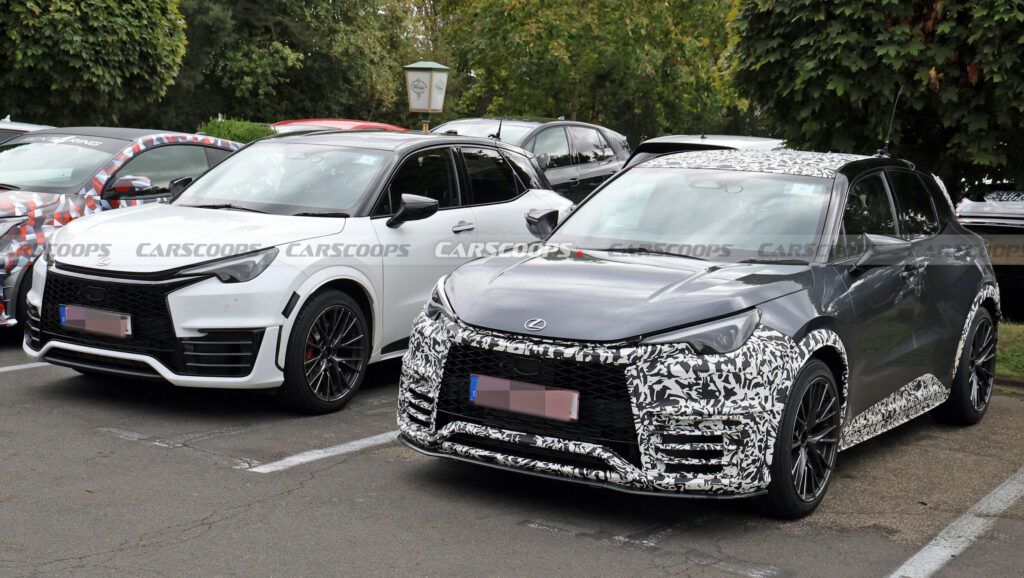
Lexus Is Building An Even Hotter LBX, And Carbon Fiber Is Doing All The Talking
The existing LBX Morizo RR already had a manual gearbox and GR-derived power. This new version's whole mission is shedding weight, and it's doing it with carbon fiber almost everywhere.
Read article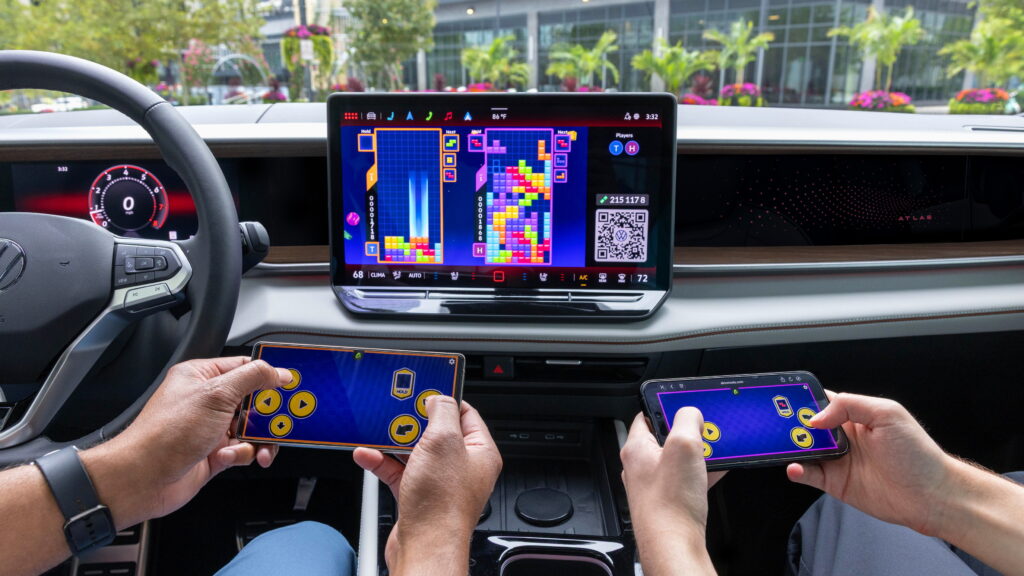
VW Wants $149 A Year To Turn Your Parked Car Into A Game Console, And I'm Weirdly Okay With It
Yet another automotive subscription fee sounds exhausting on principle. But this one is actually solving a real, specific dead-time problem — and it's bundled with features people already pay for anyway.
Read article