Carced News
Porsche's Cayenne Electric Can Now Close Its Own Doors, And I'm Not Sure That's A Good Thing
Powered doors that close when you buckle your seatbelt. Wireless charging you just park over. Massage seats that vibrate to your music. Porsche's latest Cayenne Electric update reads like a luxury features arms race — and mostly, it works.

Porsche Wants You To Never Touch A Door Handle Or A Charging Cable Again
There’s a particular flavor of luxury feature that exists purely to remove friction from tasks that were never actually that hard to begin with. Porsche’s new Cayenne Electric update leans hard into that category — self-closing doors, wireless charging, and next-level massage seats — and the interesting part is how much genuine engineering sits behind features that could easily have been gimmicks.
The Doors Are More Thoughtful Than They Sound
The powered doors use servo motors and can close automatically when you fasten your seatbelt or press the brake pedal — genuinely private-jet energy, as the original reporting rightly points out. But the part that actually matters is the safety engineering underneath: sensors halt the doors if they detect a person or obstacle, and the system integrates with the Cayenne’s exit warning tech to stop a door from opening into oncoming traffic. Porsche also says the mechanism works on inclines, and manual operation remains available if you’d rather just use your arm like it’s 2019.
Wireless Charging Finally Feels Real
Porsche’s wireless charging setup uses a weatherproof ground pad, charges at up to 11 kW, and claims roughly 90% energy-transfer efficiency — genuinely competitive with plenty of wired home setups. Motion sensors and foreign-object detection interrupt charging if something (or someone) wanders under the car, or if a metal object starts heating up on the pad. That’s the kind of failsafe engineering that separates “cool tech demo” from “thing I’d trust in my actual garage.”
The catch: it’s rolling out in Germany and select European markets first, with no word yet on US availability or pricing.
The Massage Seats Are Almost Absurd, In A Good Way
Sixteen air cushions and six sound actuators per seat, five massage programs, and a “4D” mode that syncs vibration to whatever music you’re playing. Three more wellness modes combine massage, vibration, and curated soundscapes. This is the part of the update that’s purely indulgence — nobody needs their seat to feel the bassline — but it’s a fun kind of excess, and exactly the sort of feature that makes a six-figure SUV feel like it’s earning its price tag through experience rather than just spec-sheet numbers.
105 Colors Is Genuinely A Lot
Paint to Sample adds 92 shades to the Cayenne Electric’s 13 standard colors. That’s an enormous amount of choice for buyers who want their car to be genuinely unique rather than picking from the same six colors everyone else on the lot is choosing.
My Take
None of this changes how the Cayenne Electric drives, and Porsche predictably hasn’t said what any of it costs — expecting restraint from that options sheet would be wishful thinking. But this update is a good example of luxury tech done reasonably well: the powered doors and wireless charging both come with real safety engineering behind the convenience, rather than just being convenience for its own sake. The massage seats, meanwhile, are just here to be fun, and I respect that too.
Would self-closing doors and wireless charging actually change your daily routine with a car, or is this just automotive luxury for luxury’s sake? I lean toward “mostly nice to have,” but I’m curious if anyone with young kids or mobility needs sees this differently.
More Carced news

You Can Buy HWA's $760K New 190E Evo II, Or The Real Thing For Less — And That's A Genuinely Hard Choice
A restomod exists to solve the problem of an original being too rare, too fragile, or too expensive to actually use. This time, the original might be the cheaper option.
Read article
Genesis Just Patented The G90 Coupe And Convertible, And That's More Than Just Paperwork
A design patent isn't a production announcement, but Genesis wouldn't bother protecting a design it had no intention of ever building — and having seen the Convertible in person, I understand why they'd want to.
Read article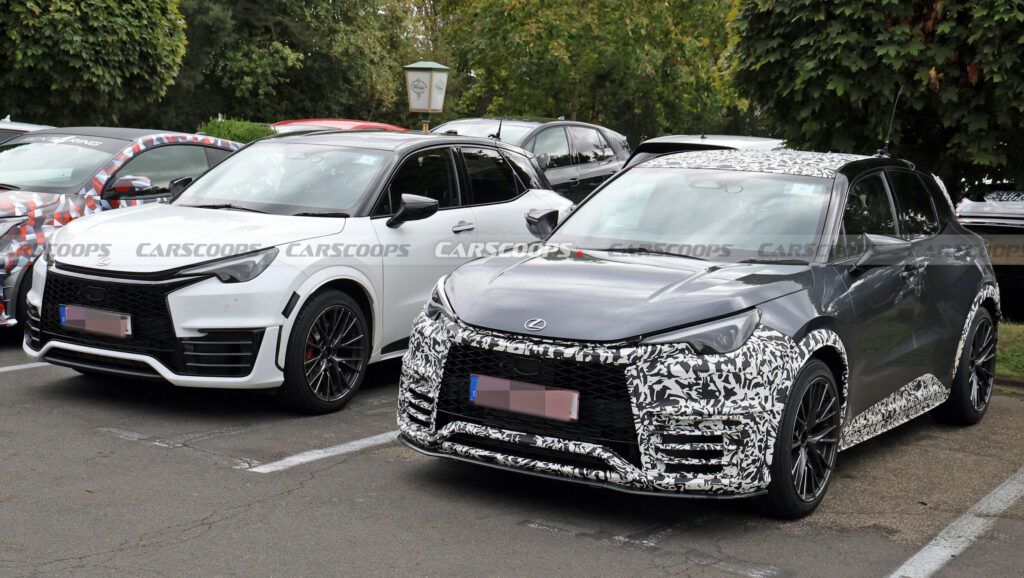
Lexus Is Building An Even Hotter LBX, And Carbon Fiber Is Doing All The Talking
The existing LBX Morizo RR already had a manual gearbox and GR-derived power. This new version's whole mission is shedding weight, and it's doing it with carbon fiber almost everywhere.
Read article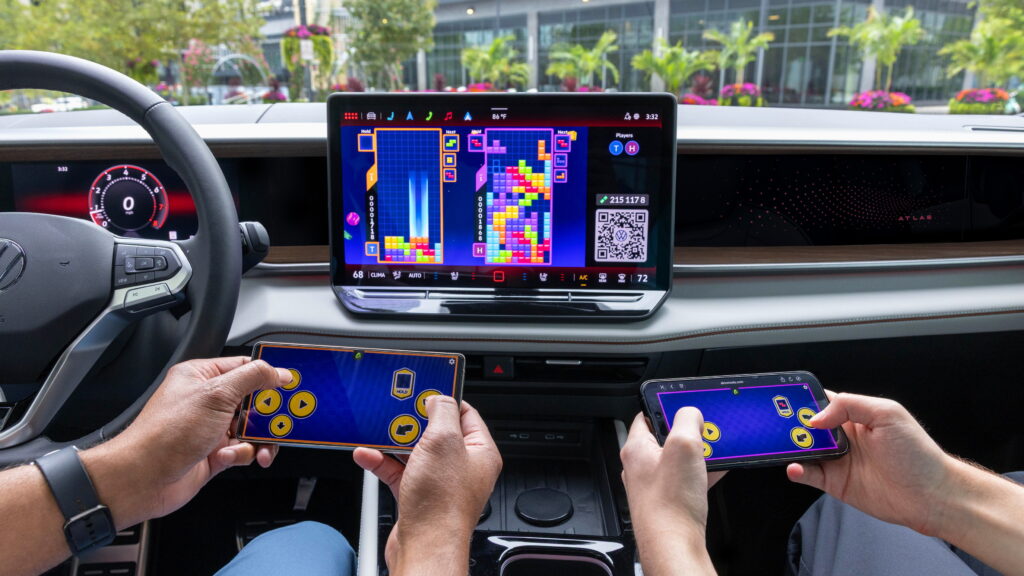
VW Wants $149 A Year To Turn Your Parked Car Into A Game Console, And I'm Weirdly Okay With It
Yet another automotive subscription fee sounds exhausting on principle. But this one is actually solving a real, specific dead-time problem — and it's bundled with features people already pay for anyway.
Read article