Carced News
Nissan Revived The Pixo Name For An EV, And It's Basically A Renault Wearing A Different Face
Nissan spent its design budget almost entirely on the front and rear fascias. Everything else is straight from Renault — and for a car targeting under €20,000, that's exactly the right trade-off.

This Is Badge Engineering, And I Genuinely Don’t Have A Problem With It Here
Badge engineering gets a bad reputation, usually deserved, when a manufacturer slaps a different logo on an unchanged car and charges a premium for it. Nissan’s new Pixo EV is unmistakably built on the Renault Twingo E-Tech’s platform, sharing its wheelbase almost exactly and nearly all of its greenhouse and profile — but at this price point, in this segment, that’s not a criticism. It’s exactly the right way to build an affordable EV.
The Shared Bones Are Basically The Whole Point
At 3,796mm long, the Pixo is just 7mm longer than the Twingo, with an identical 2,492mm wheelbase, and the Dacia Spring shares the same underlying platform as a third sibling. Building genuinely affordable EVs requires exactly this kind of platform-sharing efficiency — spreading engineering costs across three badges rather than each brand independently developing its own entry-level electric city car from scratch.
Nissan Spent Its Differentiation Budget In The Right Places
Rather than pretending this is an entirely original vehicle, Nissan focused its design effort specifically on the front and rear ends — the parts that actually shape a buyer’s first impression. Swapping the Twingo’s curved surfaces and frog-style headlights for a boxier, grille-less nose with squared-off pixel-inspired LED headlight graphics is a genuinely distinct visual identity, even riding on identical underpinnings.
The Rear Details Show Real Attention Rather Than Laziness
Redesigned taillights and a simpler tailgate carry faint echoes of the Nissan Micra K12 from the 2000s — a nice bit of continuity for anyone who remembers that era of small Nissans. Nissan-specific rear bumper cladding and Pixo lettering on the plastic trim around the rear windshield round out a rear treatment that reads as genuinely Nissan-designed rather than a token badge swap.
The Interior Sharing Makes Complete Sense At This Price Point
Dashboard, steering wheel, and the Gemini-integrated digital cockpit all carrying over directly from the Renault twin isn’t a shortcut worth criticizing — it’s the correct allocation of a limited development budget toward an entry-level EV. The reclining, foldable rear seats and genuinely useful 356-liter cargo capacity (including a dedicated 50-liter compartment for charging cables) show the underlying engineering is solid regardless of which badge sits on the hood.
The Numbers Are Genuinely Competitive For The Segment
81 hp from the front motor, a 161-mile WLTP range from a 27.5 kWh LFP battery, and 50 kW DC charging capable of a 15-80% top-up in 28 minutes — none of these numbers are exciting in isolation, but they’re entirely appropriate for an affordable urban EV, and LFP chemistry brings genuine longevity and cost benefits over pricier alternatives.
The Pricing Estimate Makes This Genuinely Accessible
With official pricing arriving from December 2026, expectations point toward starting under €20,000 ($22,800) based on the Twingo’s positioning — a genuinely affordable entry point into full EV ownership, slotting neatly beneath Nissan’s R5-based Micra in the lineup.
There’s A Nice Bit Of Historical Irony Here Too
The original Pixo, sold in Europe from 2009 to 2013, was also a rebadged city car — that one built on a Suzuki Alto platform with a conventional 1.0-liter gas engine. Nissan reviving a nameplate with genuine badge-engineering history, now applied to an EV built the same way, feels less like corporate laziness and more like the company staying consistent with what this specific nameplate has always represented.
My Take
Platform-sharing gets criticized when it’s used to disguise a lack of investment in a supposedly premium product. Here, it’s being used exactly as intended — to make a genuinely affordable EV possible by spreading development costs across three brands, while Nissan still invests real design effort into the parts buyers actually see and touch first. Production at Slovenia’s Novo Mesto factory alongside its Renault and Dacia siblings confirms this is a serious, scaled commitment rather than a token European offering.
Would badge-engineered platform sharing like this bother you in an affordable EV, or is it the obviously correct trade-off at this price point? I think it’s exactly the right call here.
More Carced news

You Can Buy HWA's $760K New 190E Evo II, Or The Real Thing For Less — And That's A Genuinely Hard Choice
A restomod exists to solve the problem of an original being too rare, too fragile, or too expensive to actually use. This time, the original might be the cheaper option.
Read article
Genesis Just Patented The G90 Coupe And Convertible, And That's More Than Just Paperwork
A design patent isn't a production announcement, but Genesis wouldn't bother protecting a design it had no intention of ever building — and having seen the Convertible in person, I understand why they'd want to.
Read article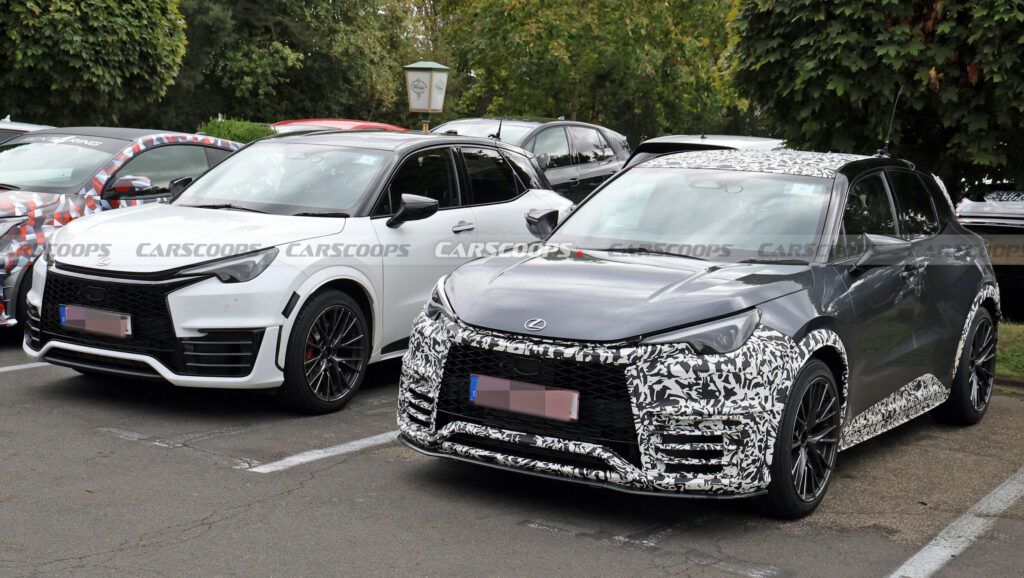
Lexus Is Building An Even Hotter LBX, And Carbon Fiber Is Doing All The Talking
The existing LBX Morizo RR already had a manual gearbox and GR-derived power. This new version's whole mission is shedding weight, and it's doing it with carbon fiber almost everywhere.
Read article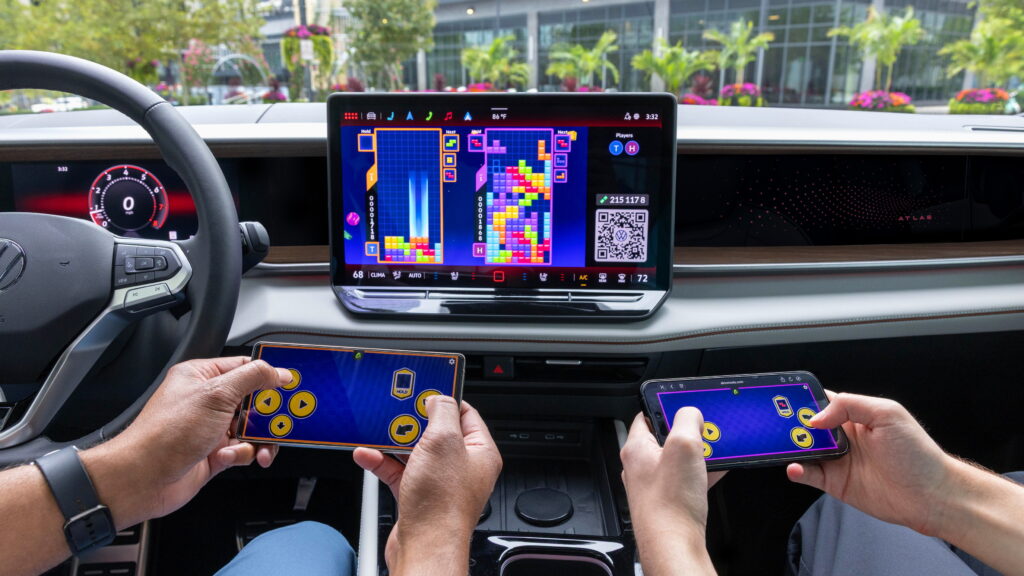
VW Wants $149 A Year To Turn Your Parked Car Into A Game Console, And I'm Weirdly Okay With It
Yet another automotive subscription fee sounds exhausting on principle. But this one is actually solving a real, specific dead-time problem — and it's bundled with features people already pay for anyway.
Read article