Carced News
NHTSA Is Asking Tesla The One Question Everyone's Been Avoiding: How Does Cybercab Even Have Brakes?
Tesla has until September 30 to explain, under sworn affidavit, how a car with no steering wheel and no brake pedal legally satisfies a rule that explicitly requires a foot-operated brake.
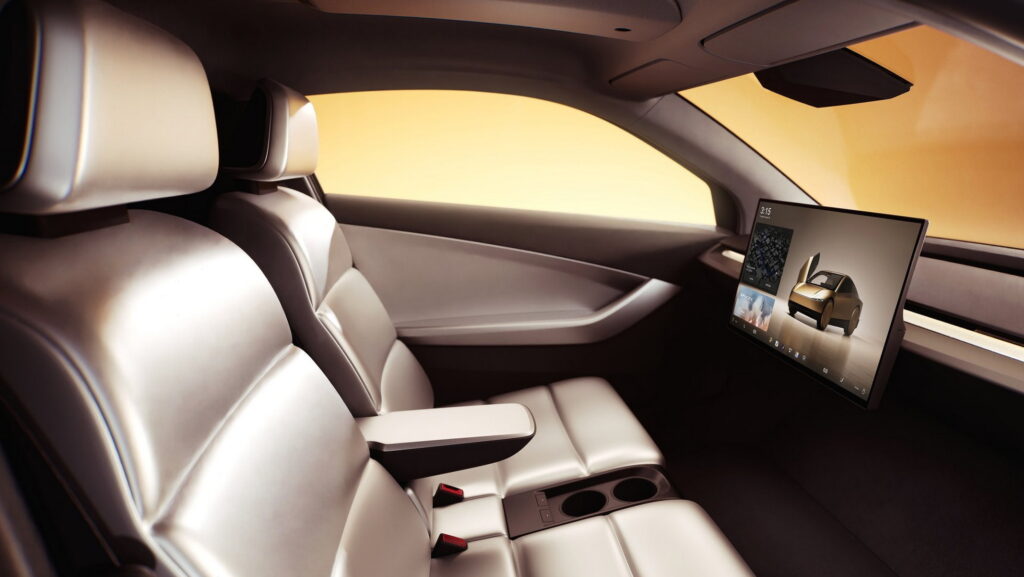
This Isn’t A Routine Inquiry — It’s A Direct Challenge To Tesla’s Self-Certification
Federal vehicle regulation usually operates on trust: manufacturers self-certify that their vehicles meet safety standards, and NHTSA audits after the fact when something goes wrong. The special order NHTSA issued Tesla on September 10 isn’t that kind of routine check. It’s 21 pointed questions that go straight at the core assumption behind Cybercab’s entire design: that a vehicle with no steering wheel and no pedals can legally satisfy rules written assuming both exist.
The Brake Pedal Question Is Almost Embarrassingly Direct
Request 19 quotes the actual regulatory text back at Tesla: “The service brakes shall be activated by means of a foot control.” That’s about as unambiguous as federal vehicle regulation gets, and Cybercab, by design, has no foot control at all. NHTSA wants a detailed explanation of how the vehicle complies, and specifically whether Tesla is operating under a formal exemption — because if it isn’t, this stops being a documentation issue and becomes a much bigger problem.
The Temporary Controls Question Is The Sharper One
Requests five through seven dig into something more specific: did Tesla use temporary, removable human controls to certify the Cybercab, and if so, which safety standards depended on those controls being present during testing? NHTSA’s follow-up question is the one that really matters — how does removing that equipment after certification comply with the federal prohibition against making required safety equipment inoperative? That sequence implies a real possibility: equipment used to prove compliance might not actually be present when the vehicle is carrying paying passengers. NHTSA isn’t claiming that happened. It’s demanding Tesla prove it didn’t.
Tesla Doesn’t Get To Cherry-Pick What It Discloses
Request nine is the one manufacturers usually dread most: NHTSA wants any evidence indicating the vehicles fail to comply with an applicable standard, even including tests or analyses Tesla itself considered invalid. That closes off the easy move of only surfacing favorable data. Combined with a demand to explain every standard Tesla decided didn’t apply and why, this is about as thorough an audit as a special order gets.
The September 30 Deadline Comes With Real Teeth
Tesla’s answers have to be backed by a sworn affidavit from a responsible company officer attesting to their completeness and accuracy. For a robotaxi built entirely around eliminating the human from the driving equation, there’s a genuinely pointed irony in the fact that a human now has to personally vouch, under oath, that the paperwork behind it holds up.
My Take
NHTSA is explicit that it’s working on updated standards to accommodate autonomous vehicles, but existing rules remain binding until that process finishes. That’s the crux of this entire situation: Tesla built a genuinely novel vehicle concept and put it into commercial service on September 3rd, apparently betting the regulatory framework would either catch up in time or wouldn’t be enforced too strictly in the interim. This special order suggests NHTSA isn’t willing to let that bet go unchallenged. Whatever Tesla’s answers turn out to be, this is the kind of regulatory scrutiny that could meaningfully shape how every future robotaxi design gets certified, not just Cybercab.
Do you think NHTSA’s existing safety standards, written for human-driven cars, are even the right framework to evaluate something like Cybercab against? I think there’s a real argument the rules themselves need updating faster, but that doesn’t mean Tesla gets to skip the ones on the books today.
More Carced news

You Can Buy HWA's $760K New 190E Evo II, Or The Real Thing For Less — And That's A Genuinely Hard Choice
A restomod exists to solve the problem of an original being too rare, too fragile, or too expensive to actually use. This time, the original might be the cheaper option.
Read article
Genesis Just Patented The G90 Coupe And Convertible, And That's More Than Just Paperwork
A design patent isn't a production announcement, but Genesis wouldn't bother protecting a design it had no intention of ever building — and having seen the Convertible in person, I understand why they'd want to.
Read article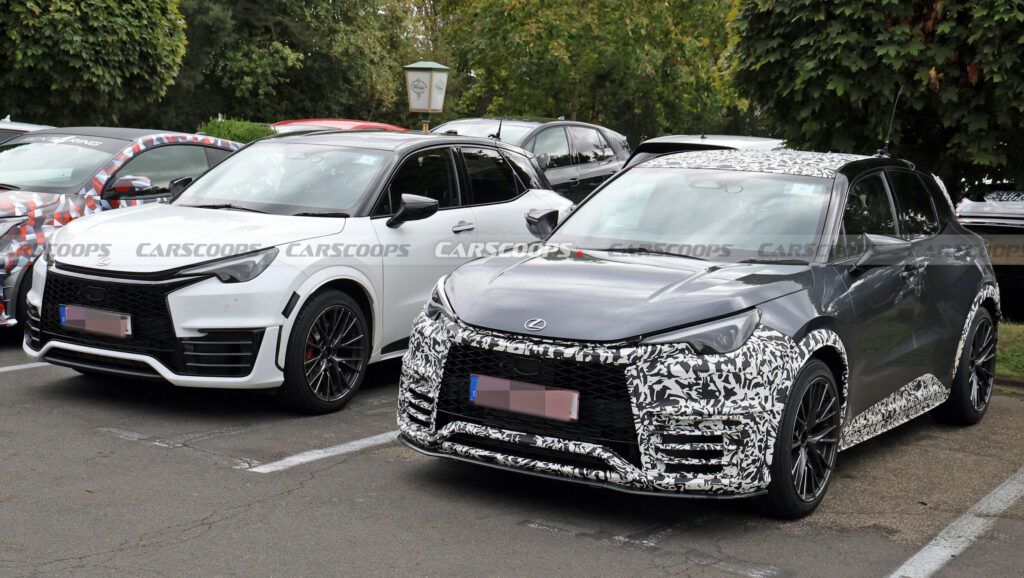
Lexus Is Building An Even Hotter LBX, And Carbon Fiber Is Doing All The Talking
The existing LBX Morizo RR already had a manual gearbox and GR-derived power. This new version's whole mission is shedding weight, and it's doing it with carbon fiber almost everywhere.
Read article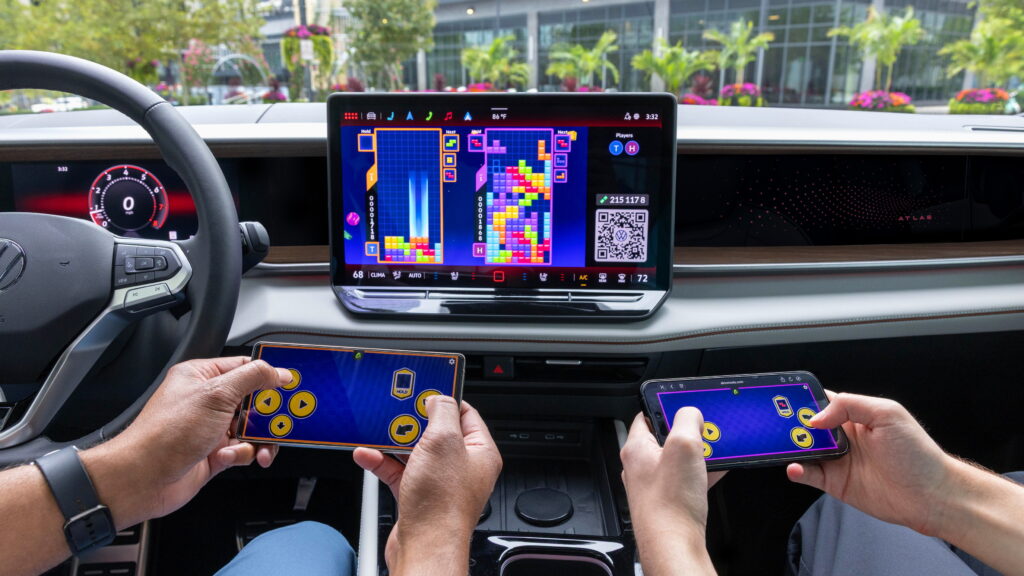
VW Wants $149 A Year To Turn Your Parked Car Into A Game Console, And I'm Weirdly Okay With It
Yet another automotive subscription fee sounds exhausting on principle. But this one is actually solving a real, specific dead-time problem — and it's bundled with features people already pay for anyway.
Read article