Carced News
GM Finally Figured Out The Actual Problem With Buying Your First EV — And It Wasn't The Car
Most first-time EV buyers don't struggle with the vehicle purchase — they struggle with everything that happens after, when nobody at the dealership mentions charger installation or utility programs. GM just fixed the sequencing problem.
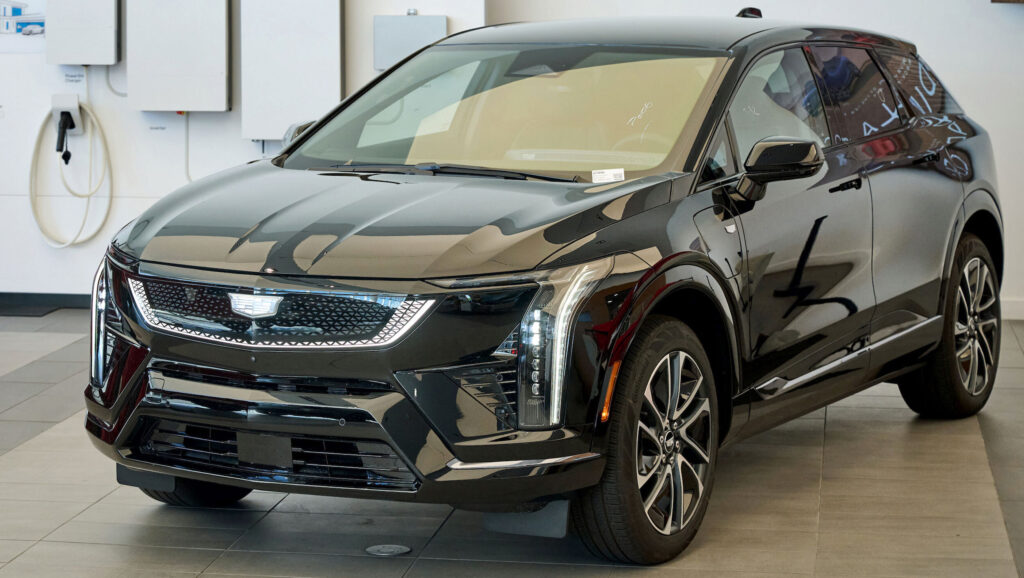
The EV Adoption Problem Was Never Really About The Car
Plenty of first-time EV buyers get through the purchase itself without much trouble, then hit a genuinely confusing wall afterward: figuring out home charger installation, navigating utility rate programs, and discovering too late that their electricity provider had a rebate they never knew to ask about. GM’s new Smart Charge Bundle with Pacific Gas and Electric directly targets that sequencing failure, and it’s a genuinely smart structural fix rather than just another incentive.
Making Charging Part Of The Dealership Conversation Is The Real Innovation
GM describes this as making home charging “part of the EV buying conversation from the start” — at participating Cadillac, Chevrolet, or GMC dealerships, eligible customers can discuss charging needs, explore GM Energy’s charger options, and sign up for PG&E’s program in the same visit where they’re buying the car. That’s a meaningfully different experience than the typical pattern of driving home with a new EV and only then discovering you need to separately research installers, permits, and utility programs on your own.
The Free Charger Offer Has Real Value, With Honest Caveats
Eligible customers can get an Energy PowerShift or PowerUp 2 home charger at no cost — a savings of up to $1,999 on hardware alone. GM is upfront that installation, permitting, and any necessary electrical upgrades remain the customer’s responsibility, which is honest framing rather than an inflated headline number. The PowerUp 2 (11.5 kW, normally $899) covers most home charging needs; the PowerShift steps up to 19.2 kW with genuine bidirectional charging capability when paired with a V2H Enablement Kit.
The Bidirectional Charging Detail Deserves More Attention Than It’s Getting
Buried in the spec sheet is a genuinely significant capability: with the V2H kit, the PowerShift charger lets your EV function as a substantial home battery bank during power outages. For homeowners in areas prone to outages — which describes a meaningful chunk of PG&E’s Northern and Central California service territory — that’s a real, tangible benefit beyond simple vehicle charging, and it’s the kind of feature that could genuinely tip a buying decision for the right household.
The Ongoing Savings Are Modest But Genuinely Additive
PG&E’s EV Charge Manager program automatically schedules charging when electricity prices and demand are lowest — plug in when you get home, and the system handles timing, with the ability to override for immediate charging when needed. That convenience comes with a $15 monthly bill credit, plus potential savings up to $50 a month from time-shifted charging. Neither number is dramatic on its own, but combined with the free hardware, this genuinely reduces the total cost of EV ownership in a concrete, quantifiable way rather than a vague marketing promise.
The Limitations Are Worth Knowing Upfront
This is specifically for eligible PG&E residential customers in Northern and Central California, available through February 2027 or until program capacity is reached — so it’s a regional, time-limited offer, not a nationwide GM policy. Buyers also need to use GM Energy’s preferred installer network, which narrows choice somewhat compared to shopping installation out independently.
My Take
What makes this genuinely well-designed rather than just another promotional bundle is that it addresses the actual friction point in EV adoption — not vehicle range anxiety, which gets most of the industry’s attention, but the confusing, poorly sequenced process of getting charging infrastructure sorted out after the purchase. If GM extends partnerships like this to utilities beyond PG&E’s territory, it could meaningfully smooth the first-time EV buying experience for a lot more people than California alone.
If you bought an EV recently, was charger installation and utility program research actually the confusing part of the process for you? I think this kind of bundled dealership integration is overdue across the industry.
More Carced news

You Can Buy HWA's $760K New 190E Evo II, Or The Real Thing For Less — And That's A Genuinely Hard Choice
A restomod exists to solve the problem of an original being too rare, too fragile, or too expensive to actually use. This time, the original might be the cheaper option.
Read article
Genesis Just Patented The G90 Coupe And Convertible, And That's More Than Just Paperwork
A design patent isn't a production announcement, but Genesis wouldn't bother protecting a design it had no intention of ever building — and having seen the Convertible in person, I understand why they'd want to.
Read article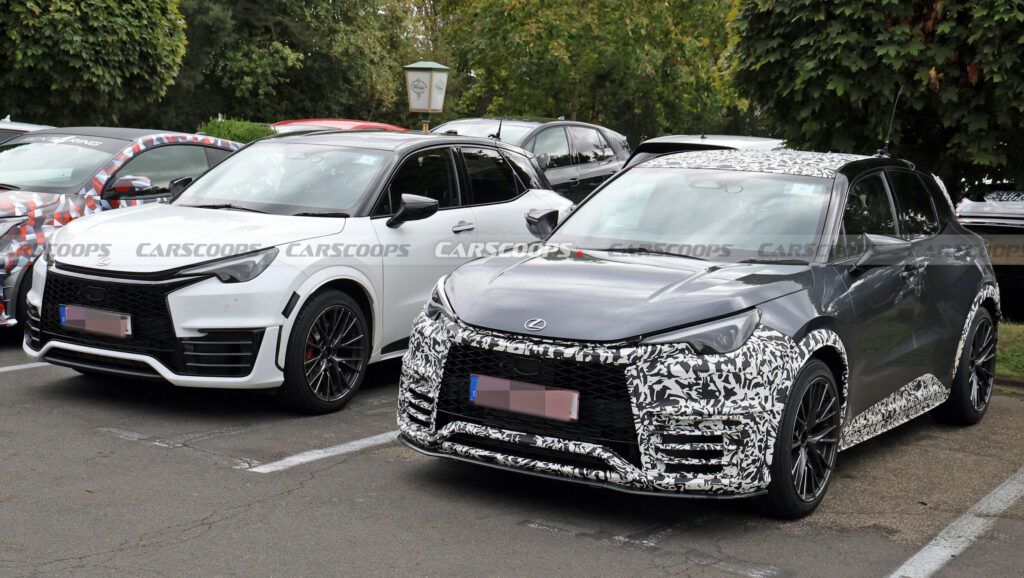
Lexus Is Building An Even Hotter LBX, And Carbon Fiber Is Doing All The Talking
The existing LBX Morizo RR already had a manual gearbox and GR-derived power. This new version's whole mission is shedding weight, and it's doing it with carbon fiber almost everywhere.
Read article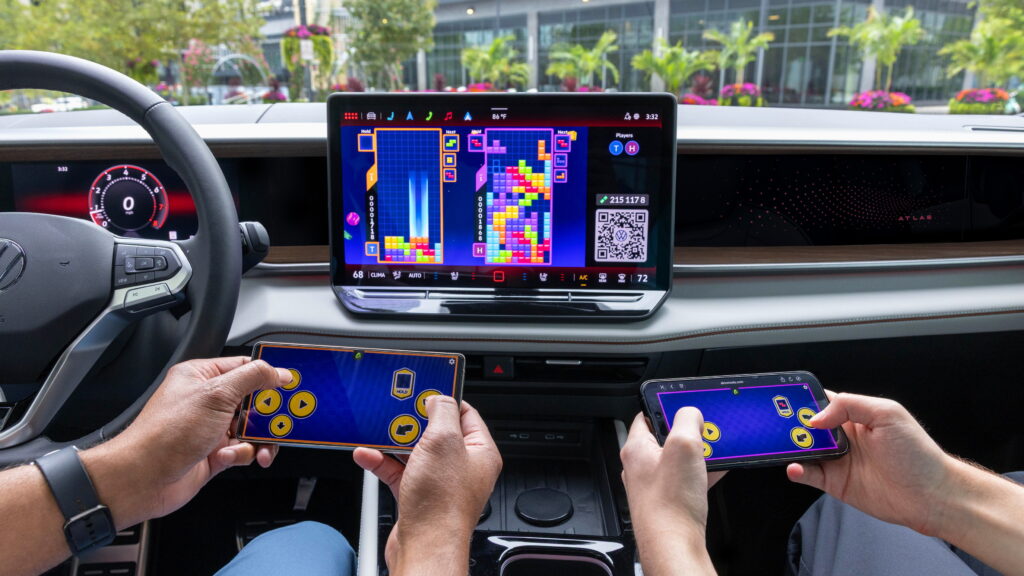
VW Wants $149 A Year To Turn Your Parked Car Into A Game Console, And I'm Weirdly Okay With It
Yet another automotive subscription fee sounds exhausting on principle. But this one is actually solving a real, specific dead-time problem — and it's bundled with features people already pay for anyway.
Read article