Carced News
GM Bet The Farm On EVs While America Quietly Fell Back In Love With Hybrids
GM's CEO called hybrids an 'interim solution' back in 2019. Seven years later, Toyota is crushing the hybrid market and GM's American showrooms don't have a single mainstream hybrid to sell.
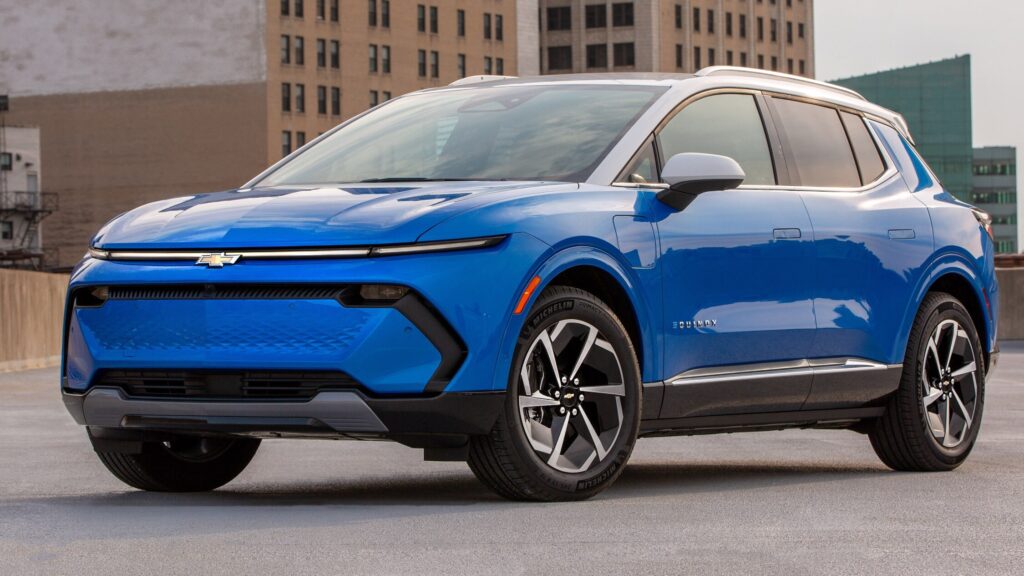
“Interim Solution” Has Aged Terribly
Some predictions age like milk, and Mary Barra’s 2019 dismissal of hybrids as an “interim solution” might be the auto industry’s best example of the decade. Seven years later, American car buyers are proving the opposite: hybrids aren’t a stopgap on the way to full electrification, they’re the actual destination a huge chunk of the market wants right now. And GM, having built its entire strategy around skipping that step, is watching it happen from the sidelines.
The Numbers Are Brutal
Hybrid share of the total US car market jumped from 16% in February to 19% in August, driven largely by gas prices spiking after the war in Iran began. One analyst told Reuters he expects that share to hit 34% by 2031. Toyota, meanwhile, is absolutely dominating this moment, holding a 49.2% share of the entire hybrid market in Q1 according to Cox Automotive.
Meanwhile, GM’s overall US market share actually fell, from 17.6% in the first half of 2025 to 16.8% in the same period this year. Toyota’s grew from 15.5% to 15.8% over the same window. That’s not a rounding error — that’s a real, measurable transfer of market share happening in real time, and it’s happening because of a powertrain decision made years ago.
GM’s Hybrid Lineup Is Two Corvettes
Here’s the detail that really drives the point home: GM’s entire US hybrid lineup right now consists of the $111k Corvette E-Ray and the $227k ZR1X. That’s it. Two six-figure sports cars for a market that’s clearly hungry for affordable, practical hybrid sedans and SUVs — the exact segment GM used to compete in before betting everything on EVs.
The EV Side Isn’t Helping Either
It’s not as though GM’s EV bet is compensating elsewhere. US EV market share actually fell from 14.4% in September 2025 to just 7.1% this May, a decline accelerated by the Trump administration killing federal EV tax credits. Compare that to Europe, where roughly one in four new cars sold is now electric — proof this isn’t a universal EV slowdown, it’s a specifically American one, driven by policy and price sensitivity that hybrids happen to sidestep entirely.
The Timeline Is The Real Problem
According to Reuters’ industry sources, GM’s American showrooms could remain essentially hybrid-free until near the end of the decade. That’s not a company pivoting quickly to catch a wave it missed — that’s a company that made a structural bet years in advance and doesn’t have a fast way to unwind it. Engineering, tooling, and supply chains for hybrid powertrains don’t materialize in a single product cycle.
My Take
This is a genuinely useful case study in the risk of over-committing to a single technology bet when consumer behavior is still this unsettled. GM wasn’t wrong that EVs matter long-term. It was wrong to treat hybrids as a bridge not worth building, and now it’s paying for that with actual market share it’s going to struggle to win back once Toyota and others have locked in loyal hybrid buyers for years to come.
Do you think GM can realistically win back hybrid-curious buyers once it finally has product to sell them, or has that window already closed? I’d bet on this being a longer recovery than GM’s willing to admit publicly.
More Carced news

You Can Buy HWA's $760K New 190E Evo II, Or The Real Thing For Less — And That's A Genuinely Hard Choice
A restomod exists to solve the problem of an original being too rare, too fragile, or too expensive to actually use. This time, the original might be the cheaper option.
Read article
Genesis Just Patented The G90 Coupe And Convertible, And That's More Than Just Paperwork
A design patent isn't a production announcement, but Genesis wouldn't bother protecting a design it had no intention of ever building — and having seen the Convertible in person, I understand why they'd want to.
Read article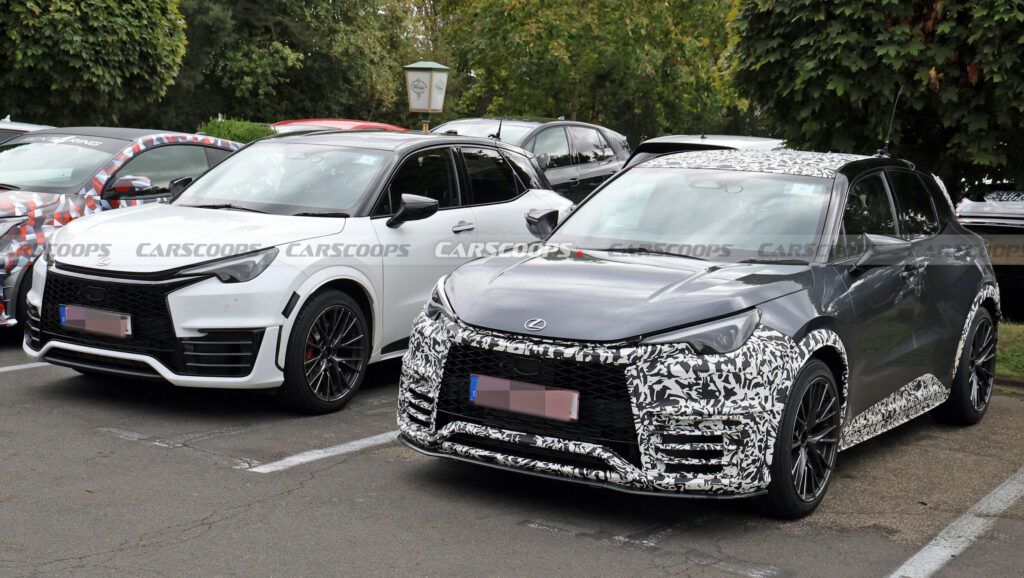
Lexus Is Building An Even Hotter LBX, And Carbon Fiber Is Doing All The Talking
The existing LBX Morizo RR already had a manual gearbox and GR-derived power. This new version's whole mission is shedding weight, and it's doing it with carbon fiber almost everywhere.
Read article
VW Wants $149 A Year To Turn Your Parked Car Into A Game Console, And I'm Weirdly Okay With It
Yet another automotive subscription fee sounds exhausting on principle. But this one is actually solving a real, specific dead-time problem — and it's bundled with features people already pay for anyway.
Read article